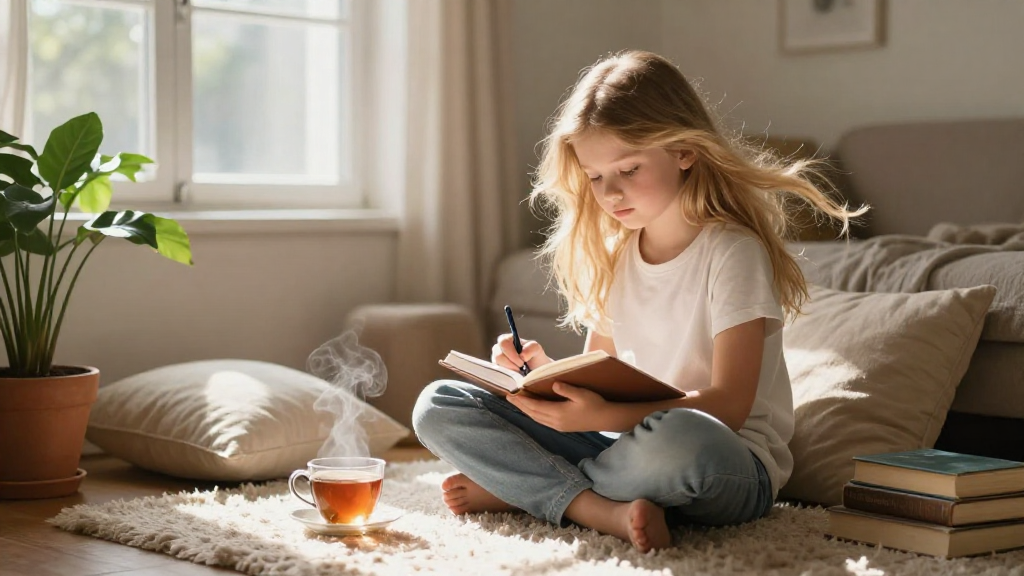
In a world that often pushes women to seek validation from others, learning how to be your own best friend becomes an essential skill.
What Does It Mean to Be Your Own Best Friend?
Being your own best friend means prioritizing self-love, self-care, and self-acceptance.
This approach encourages girls to treat themselves with kindness and compassion, much like they would a close friend.
Incorporating this mindset into daily life can foster a more profound sense of self-worth and emotional resilience.
Why Is It Important to Know How to Be Your Own Best Friend?
-
Builds Self-Esteem:
When you become your own cheerleader, you reinforce your self-worth.
Practicing self-compassion helps combat negative self-talk. -
Promotes Independence:
Relying on yourself gives you a sense of empowerment.
You’ll become less dependent on external validation, leading to greater happiness. -
Facilitates Healthy Relationships:
Knowing how to be your own best friend prepares you for healthier relationships with others.
You learn to set boundaries and communicate your needs better.
How Can You Start Being Your Own Best Friend?
1. Practice Self-Care Daily
Self-care is paramount in understanding how to be your own best friend.
Take time every day to do something that brings you joy.
Consider these self-care activities:
- Physical Activity: Go for a walk, join a dance class, or practice yoga.
- Mindfulness Meditation: Set aside time to breathe and clear your mind.
- Creative Outlets: Engage in painting, writing, or any hobby that inspires you.
2. Affirm Yourself
Write down positive affirmations and read them daily.
This practice helps embed positive thoughts in your mind.
Consider these affirmations:
- “I am worthy of love and happiness.”
- “I celebrate my strengths and acknowledge my flaws.”
- “I deserve to treat myself with kindness.”
3. Set Boundaries
Understanding how to be your own best friend means knowing when to say no.
Setting boundaries is vital for your emotional health.
Reflect on these boundary-setting tips:
- Identify Your Limits: Know what makes you uncomfortable.
- Communicate Clearly: Let others know your boundaries without guilt.
- Prioritize Yourself: Remember that your well-being comes first.
What Activities Help You Connect With Yourself?
Taking time for self-reflection and engaging in enjoyable activities can strengthen your bond with yourself.
Ask yourself what activities you love, and make space for them in your life.
Here are some ideas:
- Journaling: Write down your thoughts and feelings to process them better.
- Exploring Nature: Spend time outdoors to rejuvenate your spirit.
- Learning New Skills: Take a class to enrich your knowledge and stimulate your mind.
How to Cultivate a Positive Mindset
Having a positive mindset is essential in the journey of learning how to be your own best friend.
Shift your focus from what you lack to what you have.
Here’s how to cultivate positivity:
-
Gratitude Practice:
Keep a gratitude journal and write down three things you are thankful for each day. -
Surround Yourself With Positivity:
Spend time with people who uplift you and engage with positive media. -
Challenge Negative Thoughts:
When negative thoughts arise, question their validity and replace them with positive statements.
How Can Journaling Help?
Journaling acts as a powerful tool to understand how to be your own best friend.
It allows for self-reflection, helping you process emotions and clarify your thoughts.
When journaling, consider these prompts:
- What are my personal strengths?
- What do I love about myself?
- What goals do I want to achieve this year?
Are There Inspirational Figures to Follow?
Sometimes, finding inspiration from influential women can motivate you to be your own best friend.
Consider following:
- Brené Brown: A research professor known for her work on vulnerability and self-compassion.
- Michelle Obama: Former First Lady who inspires women to embrace their uniqueness and strive for their dreams.
- Rupi Kaur: An author and poet whose work celebrates self-love and healing.
These figures can offer guidance and encouragement as you learn how to be your own best friend.
How to Build Your Support System
While learning to be your own best friend is crucial, having a support system is equally important.
Surround yourself with people who inspire and uplift you.
Here’s how to build your support network:
-
Identify Your Tribe:
Connect with friends who share your values and support your journey. -
Join Communities:
Seek out clubs or groups that align with your interests. This could be online or in-person. -
Reach Out:
Don’t be afraid to express your feelings with friends and ask for support when needed.
How Do You Handle Setbacks?
Setbacks are a part of life, but learning how to manage them goes hand-in-hand with being your own best friend.
When faced with challenges, practice self-compassion instead of criticism.
Here’s how to handle setbacks gracefully:
-
Acknowledge Your Feelings:
Allow yourself to feel, reflecting on what’s going wrong without judgment. -
Learn from the Experience:
Identify what you could have done differently and use it as a learning opportunity. -
Keep Moving Forward:
Set small goals to help you regain momentum and foster positivity.
Conclusion
Learning how to be your own best friend is a transformative journey.
It requires commitment to self-care, positivity, and personal growth.
By practicing self-affirmation, setting boundaries, and connecting with yourself, you can enhance your self-love and emotional resilience.
Empower yourself to embrace your strengths and acknowledge your flawed beauty.
When you treat yourself as your best friend, you’ll navigate life’s challenges with grace and confidence.
So, start today.
Be your own best friend and experience a fulfilling life filled with self-love and compassion.