Choosing between desktop laser engravers can feel overwhelming fast: power, enclosure, camera assistance, and software all change what a machine can do.
This roundup narrows the field to 10 strong picks for makers, small shops, and hobbyists who want clean results without a full-size industrial setup.
Best 10 Desktop Laser Engravers Picks for 2026
Dual-Laser Speed Pick
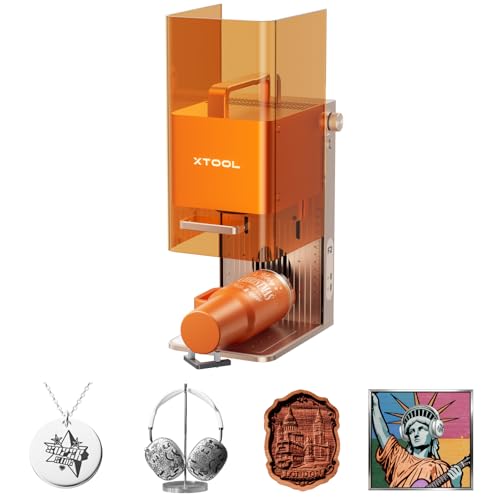
- 5W IR marks metal with vivid color
- 15W diode cuts and embosses thicker materials
- 50MP camera and 6000mm/s speed support precision batch work
Best For: On-site customization and small-batch production
Touchscreen Starter Choice

- 3.5-inch AlgoOS touchscreen works without a PC
- 95% pre-assembled and ready in about 10 minutes
- 400+ presets plus safety features simplify daily use
Best For: Beginners and home workshops
Compact Precision Pick

- 99% preassembled with fast setup
- 0.01mm repeatable positioning for detailed work
- Compact aluminum build fits small spaces
Best For: Beginners with limited space
Enclosed Crafting Pick

- Class 1 enclosed design supports home use
- Dual cameras help with preview and placement accuracy
- Optional modules expand printing and engraving options
Best For: Home crafters who want safe, guided operation
Compact Starter Pick
ACMER S1 2500mW Desktop Laser Engraver

- 99% preassembled with quick setup
- 2500mW diode laser, 0.01mm repeatability
- Free Acmerstudio plus LightBurn/LaserGRBL support
Best For: Beginners and hobbyists needing a small, easy desktop engraver
Safety-First Bundle
BlazeX M3 10W Desktop Laser Engraver

- 10W laser with 0.01mm ultra-fine accuracy
- Includes enclosure, honeycomb bed, and 13 materials
- Class 1 safety features with automatic stop sensors
Best For: First-time buyers who want a safer all-in-one desktop kit
High-Power Performance Pick
ATOMSTACK A20 Pro V2 20W Desktop Laser Engraver

- 20W output with up to 400mm/s speed
- 0.08 x 0.1mm dot compression for precision
- Supports LightBurn, LaserGRBL, and ATOMSTACK software
Best For: Users wanting a faster, higher-power desktop engraver
Best for detailed desktop cutting
5.5W Desktop Laser Engraver With Air Assist Support

- 5.5W laser with fine spot focus
- Air-assist nozzle and red shield included
- Works with LaserGRBL, LightBurn, Wi-Fi, and TF card
Best For: Hobbyists and small business makers who want cleaner cuts and flexible control
Best for guided small-craft engraving
Enclosed 12W Mini Laser Engraver With Camera
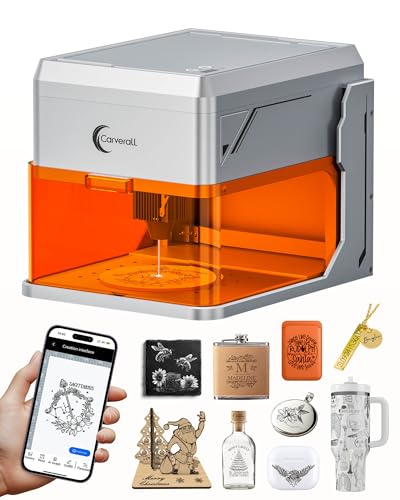
- HD camera for one-click placement
- Enclosed Class 1 design with tilt protection
- Built-in air assist and app/software support
Best For: Beginners who want a safe, compact engraver for small projects
Best for portable general use
Compact 6W Desktop Laser Engraver and Cutter

- 0.04 x 0.14 mm spot with 0.01 mm accuracy
- Lightweight 4.7 lb body for portability
- Works with LaserGRBL and LightBurn
Best For: Users who want a lightweight engraver for gifts, classes, and mobile projects
Dual-Laser Speed Pick – xTool F2 5W IR & 15W Diode
If you want a desktop laser engraver that can switch between fine metal marking and stronger cutting jobs, the xTool F2 is built for that mixed workflow. Its dual-laser setup, built-in camera, and fast batch-friendly design make it a practical choice for creators who need speed without giving up placement accuracy.
Best For: On-site personalization, small-batch production, and users who need both IR metal marking and diode cutting in one compact machine.
Pros:
- 5W IR laser handles deep, dark, vivid color marking on metal.
- 15W diode laser supports 3D embossing and cutting through thicker materials.
- Built-in 50MP camera helps with precise alignment on small pieces.
- Up to 6000mm/s speed is aimed at fast turnaround and batch work.
Cons:
- Slide Extension and accessories such as RA3 are sold separately.
- Class 4 laser design requires careful safety practices.
Overall, the F2 stands out if you need a portable desktop laser engraver that can move between materials and use cases quickly. It is especially compelling for sellers, event customization, and shops that value speed plus accurate visual positioning.
Touchscreen Starter Choice – AlgoLaser 8W MK3 Touchscreen
The AlgoLaser MK3 is a desktop laser engraver aimed at makers who want simple control without relying on a computer for every project. Its built-in touchscreen, pre-assembled core components, and preset-driven workflow make it easy to start engraving quickly while still leaving room for PC, app, and LightBurn use when needed.
Best For: Home workshops, classrooms, and beginners who want a fast setup with touchscreen control and guided material presets.
Pros:
- 3.5-inch touchscreen with AlgoOS lets you sketch, type, and import designs directly.
- 95% pre-assembled design is meant to get you running in about 10 minutes.
- 400+ material presets reduce guesswork for common engraving jobs.
- Safety features include flame detection, overheat alerts, and an emergency stop button.
Cons:
- 8W diode power is better suited to engraving and light batch work than heavy cutting.
- Some advanced workflows may still be easier from a computer-based design setup.
This model makes the most sense if you want a guided, approachable machine instead of a complex setup. For everyday personalization projects, the touchscreen workflow and broad software support are the main draws.
Compact Precision Pick – ACMER S1 6000mW Compact
The ACMER S1 is a compact desktop laser engraver for users who want a small machine that still handles detailed engraving and light cutting. With 99% preassembly, software support for familiar tools, and AI-assisted design options, it is geared toward quick setup and straightforward everyday use.
Best For: Beginners, hobby crafters, and small-space users who want a lightweight engraver for wood, leather, acrylic, and similar materials.
Pros:
- 99% preassembled with only a 1-minute laser head installation.
- 6W diode output and 0.01mm repeatable positioning accuracy support detailed work.
- Works with ACMER Studio plus LightBurn and LaserGRBL.
- Compact aluminum alloy build is easy to carry and store.
Cons:
- 130 x 130mm work area is relatively small.
- Best suited to thin cutting and compact projects rather than larger jobs.
For buyers who want a portable entry point into desktop laser engravers, the S1 keeps the process simple. Its biggest strengths are ease of setup, software flexibility, and a small footprint that fits home use well.
Enclosed Crafting Pick – xTool M2 10W Dual Camera
The xTool M2 is a desktop laser engraver built for crafters who want a safer enclosed machine with strong visual guidance. Its dual-camera setup, Class 1 safety design, and add-on expansion path make it a flexible option for DIY projects and personalized gifts across many common materials.
Best For: Home crafters and DIY makers who want enclosed safety, preview-based alignment, and room to expand later.
Pros:
- Class 1 enclosed design adds a safety-focused setup for home use.
- Built-in dual cameras and ACS help with real-time preview and accurate placement.
- Works with 300+ materials when paired with compatible modules.
- xTool Studio includes templates and an AI image generator for quick starts.
Cons:
- CMYK Inkjet module and RA3 Lite Rotary are sold separately.
- Standalone unit ships with 10W diode lasers only, so some advanced functions need add-ons.
The M2 is a strong fit if safety and workflow clarity matter as much as capability. It is especially appealing for households and makers who want a polished, enclosed system that can grow with extra modules later.
Compact Starter Pick – ACMER S1 2500mW Desktop Laser Engraver
If you want a compact option among desktop laser engravers, the ACMER S1 is built for straightforward home use without a big setup. It arrives 99% preassembled, supports both engraving and light cutting, and comes with free Acmerstudio software while still working with common alternatives like LightBurn and LaserGRBL.
Best For: Beginners, hobbyists, and small workspace users who want an easy-to-start engraver for wood, acrylic, leather, and similar materials.
Pros:
- 99% preassembled with about 1-minute laser head installation
- 2500mW diode laser with 0.01mm repeatable positioning accuracy
- Supports engraving and cutting on wood, bamboo, leather, plastic, and thin acrylic
- Compact 130x130mm working area and lightweight aluminum alloy build
Cons:
- Smaller working area than larger desktop engravers
- Lower power than 10W and 20W machines for heavier cutting jobs
- Best suited to lighter-duty desktop projects rather than large-format work
The ACMER S1 makes sense if you value simplicity, portability, and a low-friction start. It is not the most powerful model here, but it offers a practical mix of accuracy, software flexibility, and beginner-friendly setup for everyday desktop engraving tasks.
Safety-First Bundle – BlazeX M3 10W Desktop Laser Engraver
The BlazeX M3 is a desktop laser engraver aimed at users who want an all-in-one package with added protection and setup extras. It combines a 10W module, 0.01mm accuracy, an enclosure, a honeycomb bed, and included engraving materials, making it easier to get started on detailed DIY projects.
Best For: Beginners, home creators, and small studios that want a safer, more complete starter kit for engraving and cutting.
Pros:
- 10W laser with 0.01mm ultra-fine accuracy
- Includes protective enclosure, honeycomb bed, tool kit, and 13 materials
- Class 1 safety rating with smoke and odor exhaust fan
- Compatible with LightBurn, LaserGRBL, and CutLabX on multiple platforms
Cons:
- Heavier, more bundled setup than a bare-bones portable unit
- Accessory-focused package may be more than some users need
- Still a desktop machine, so it is not designed for large-format production work
For buyers comparing desktop laser engravers, the BlazeX M3 stands out for its safety features and included starter kit. It offers a balanced mix of precision, usability, and workspace protection that should appeal to first-time users and organized hobbyists.
High-Power Performance Pick – ATOMSTACK A20 Pro V2 20W Desktop Laser Engraver
If you need more cutting strength from desktop laser engravers, the ATOMSTACK A20 Pro V2 brings a 20W output, fast speeds, and a precision-focused motion system. It is positioned for users who want to move beyond basic hobby engraving and into faster work on wood, acrylic, metal, and other common project materials.
Best For: Makers and small business users who want a higher-power desktop engraver for faster cutting and detailed engraving.
Pros:
- 20W output with up to 400mm/s engraving speed
- 0.08 x 0.1mm dot compression for precise detail
- Integrated linear guide structure with easy assembly and added durability
- Works with the ATOMSTACK app/PC software, LightBurn, and LaserGRBL
Cons:
- Larger and heavier than compact entry-level engravers
- More power and size than casual users may need
- Class 4 laser requires careful safety practices despite included protections
The A20 Pro V2 is the strongest performer in this group for users who care about speed and cutting ability. If your priority is a desktop machine with higher output, strong precision, and broad software support, this model is the most production-ready option here.
Best for detailed desktop cutting – 5.5W Desktop Laser Engraver With Air Assist Support
If you’re comparing desktop laser engravers for a small workshop or home setup, the Twotrees TTS-55 Pro is built for makers who want stronger cutting performance without moving into a much larger machine. Its 5.5W laser, air-assist-ready nozzle, and 300 x 300 mm work area make it a practical choice for engraving and cutting common DIY materials.
Best For: Hobbyists and small business users who want a compact, software-friendly desktop laser engraver with air-assist support.
Pros:
- 5.5W laser with a fine 0.08 x 0.46 mm spot for detailed work
- Air-assisted nozzle and red laser shield for cleaner, safer operation
- Supports LaserGRBL, LightBurn, Wi-Fi control, and TF card offline use
- Works with wood, leather, acrylic, paper, and stainless steel
Cons:
- Open-frame design may not suit users wanting a fully enclosed machine
- Cutting results depend on material thickness and setup
Overall, the TTS-55 Pro offers a strong feature set for its size, especially if you value fine detail, flexible software control, and cleaner cuts with air assist support. It fits well as a capable entry point for desktop engraving projects.
Best for guided small-craft engraving – Enclosed 12W Mini Laser Engraver With Camera
Among desktop laser engravers, the Carverall A1 Pro stands out for users who want guided positioning and a more beginner-friendly workflow. The built-in HD camera, enclosed Class 1 design, and compact footprint make it easy to handle small, repeatable projects like keychains, bookmarks, and dog tags.
Best For: Beginners and compact workspace users who want a safe enclosed desktop laser engraver with camera-based positioning.
Pros:
- HD camera preview helps place designs accurately before engraving
- Fully enclosed Class 1 design with tilt protection and auto shutoff
- Built-in air assist and exhaust fan support cleaner, safer operation
- Works with CutLabX, LightBurn, LaserGRBL, and mobile app control
Cons:
- Very small 3.94 x 3.94-inch work area limits larger projects
- Roller for tumblers and bottles is sold separately
For small-batch makers who prioritize ease of use, the A1 Pro packs a lot of guidance and safety into a portable machine. Its camera workflow and enclosed build are especially helpful if you want to spend less time aligning materials and more time making.
Best for portable general use – Compact 6W Desktop Laser Engraver and Cutter
If you want desktop laser engravers that balance portability with capable output, the ELIDOR Z6 is a straightforward option for home workshops and mobile craft setups. Its 6W laser, 300 x 300 mm work area, and support for common engraving software make it a versatile pick for everyday custom projects.
Best For: Makers who need a lightweight desktop laser engraver for portable use, gifts, and general-purpose engraving.
Pros:
- 0.04 x 0.14 mm spot and 0.01 mm accuracy for detailed engraving
- 6W laser handles wood, leather, acrylic, cardboard, ceramic, glass, and metal
- Lightweight 4.7 lb design is easier to move for classes, fairs, or home use
- Compatible with LaserGRBL and LightBurn on Windows, macOS, and Linux
Cons:
- 10,000 mm/min speed is lower than some faster desktop alternatives
- Product dimensions are listed unusually, so verify setup space carefully
The Z6 makes sense if portability and software compatibility matter as much as engraving detail. It is a practical general-use machine for personalized gifts, with enough flexibility to support both beginners and experienced users.
How We Picked These Desktop Laser Engravers
We focused on machines that offer a practical mix of cutting power, engraving detail, workflow features, and safety for home or small-business use. That means looking at real-world material compatibility, ease of setup, enclosure or camera support, software control, and whether the machine makes sense for gifts, prototyping, craft work, or light production.
Quick Comparison: What Matters Most
Not every laser needs to be the most powerful option. Lower-watt machines can be a smart fit for engraving finer detail, while higher-watt units are better for faster cutting and thicker stock. Camera-assisted models, enclosed designs, and touchscreen/app controls can also save time if you work on repeat jobs or want a simpler beginner experience.
Key Buying Factors for Desktop Laser Engravers
Laser Type and Power
Diode models are common for wood, leather, acrylic, and painted metals, while IR-capable or dual-laser systems expand your options for marking metal and other specialty surfaces. Higher wattage usually means more cutting speed and thicker material capacity, but it can also increase price and footprint.
Work Area and Build Style
Check the usable bed size against the projects you actually make. A compact machine can be ideal for desktop crafting, but larger work areas are more efficient for signs, repeated batches, and oversized templates. Enclosed machines typically offer better protection from stray light and smoke.
Accuracy, Camera, and Software
If you want quick alignment, live previews, or easier batch placement, camera-equipped Desktop Laser Engravers can reduce setup time. Also pay attention to software compatibility and whether the interface feels beginner-friendly, especially if you plan to design, import, and run jobs often.
Safety and Workflow
Look for features that support safer use, such as enclosure design, emergency controls, airflow compatibility, and stable motion systems. If you are engraving in a shared room or garage, noise, smoke management, and portability may matter just as much as raw power.
Who Should Buy Which Desktop Laser Engravers?
Beginners and crafters usually benefit from a user-friendly enclosed model with camera support. Makers who want faster cutting and broader material handling should lean toward higher-power options. If your work is mostly small personalization jobs, a compact desktop laser engraver may be the best balance of cost, size, and convenience. For small businesses, prioritize repeatability, speed, and software that keeps production moving without constant recalibration.
The best choice comes down to your materials, workspace, and how often you plan to use the machine. Match those needs first, and you will avoid overpaying for power or buying a model that is harder to use than your projects require.